BU Student Thailand's Sole Youth Representative Flies to Join ASEAN Cyber Shield in
South Korea

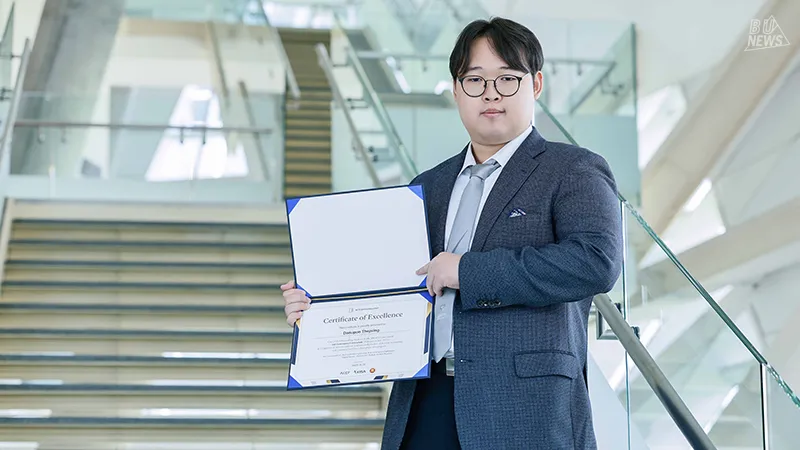
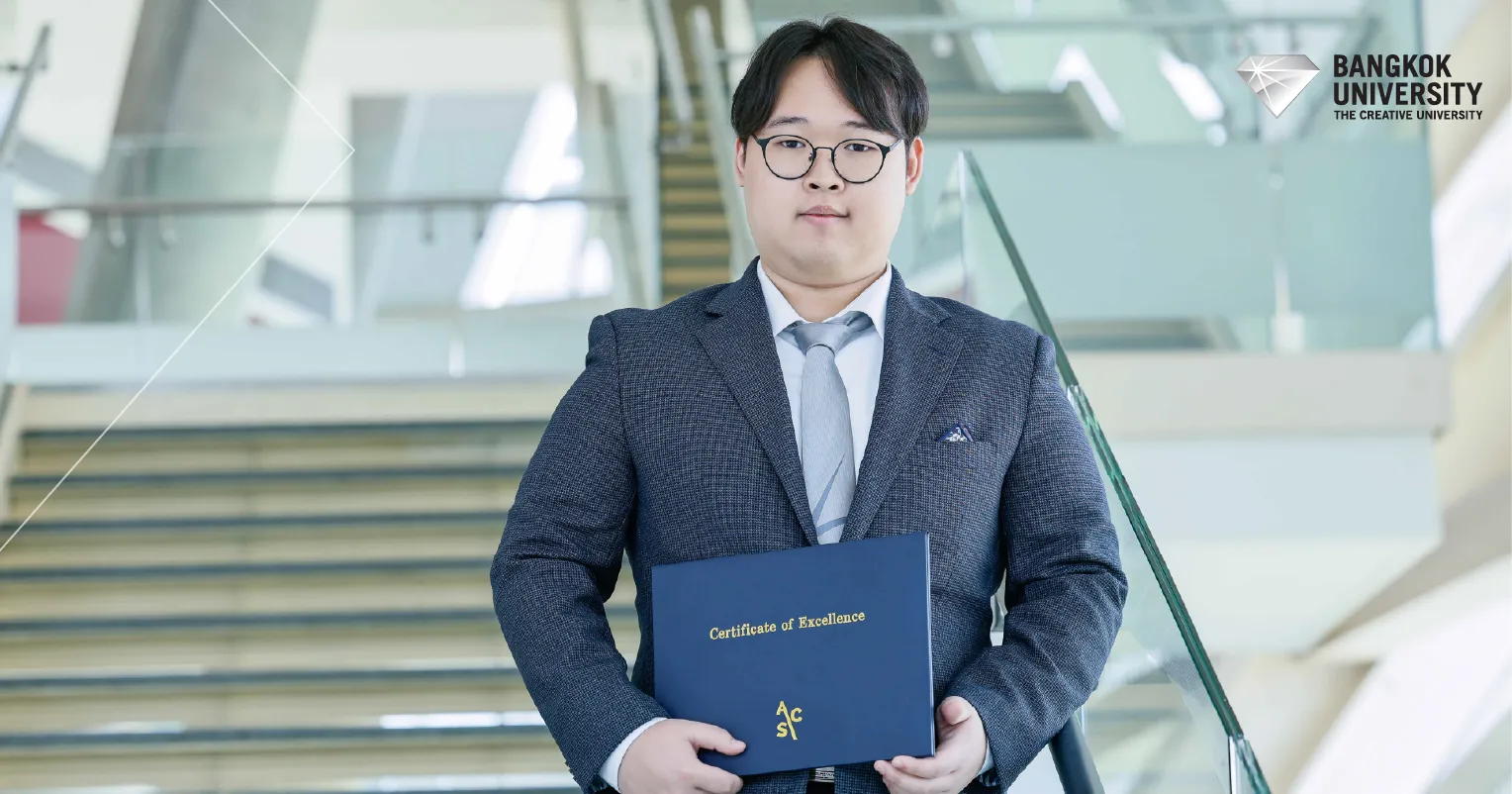
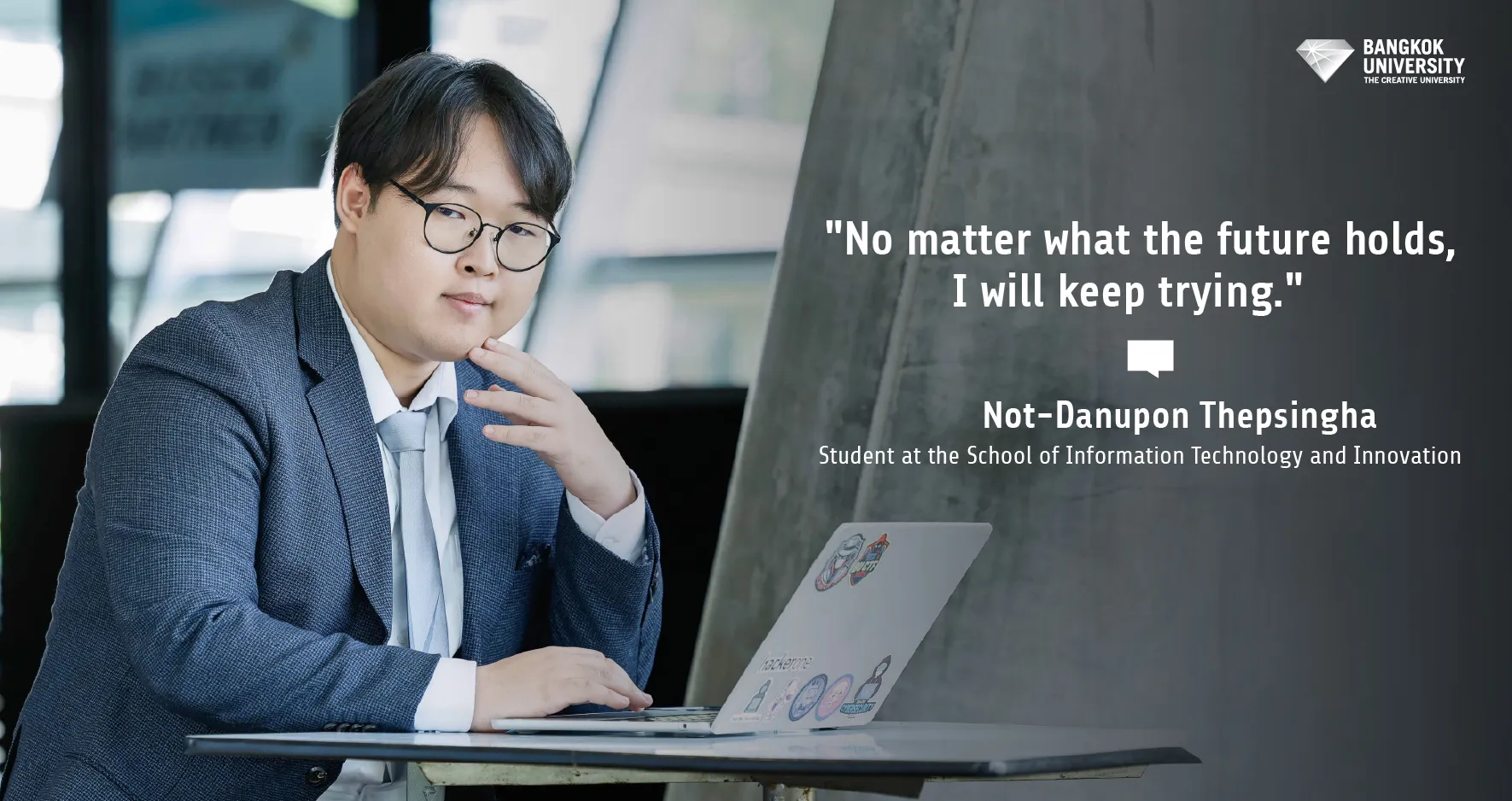
Congratulations to Not, Danupon Thepsingha, a Student in Computer Science - Data Science and Cybersecurity at the School of Information Technology and Innovation, who served as Thailand's only representative to participate in the 2nd ASEAN Cyber Shield (ACS) Online Education Program in South Korea.
Six Months of Preparation: The Path to Being Number One
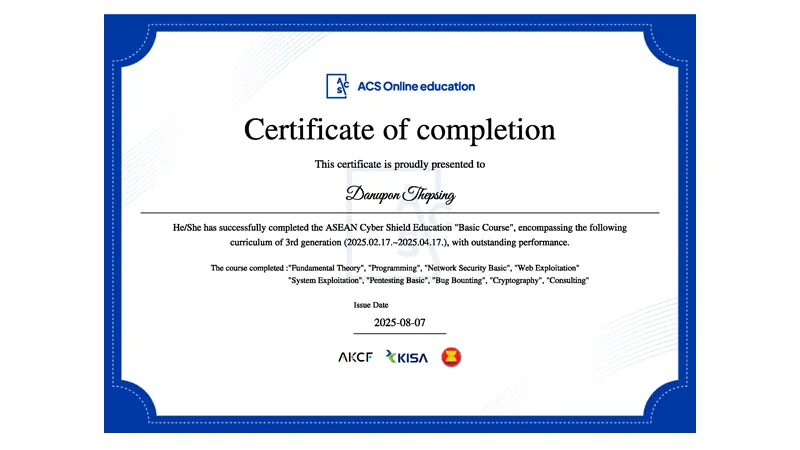
Being selected for the program didn't mean an immediate trip to South Korea. Participants had to go through an intensive 6-month learning and selection process divided into two challenging phases. "The first three months involved foundational learning entirely online, covering everything essential for cybersecurity professionals—from programming, network security, website attacks and defense, system penetration, to basic penetration testing. Everything was taught in English, and most of it was foundational, similar to what we learn at Bangkok University."

Phase Two: The Real Challenge
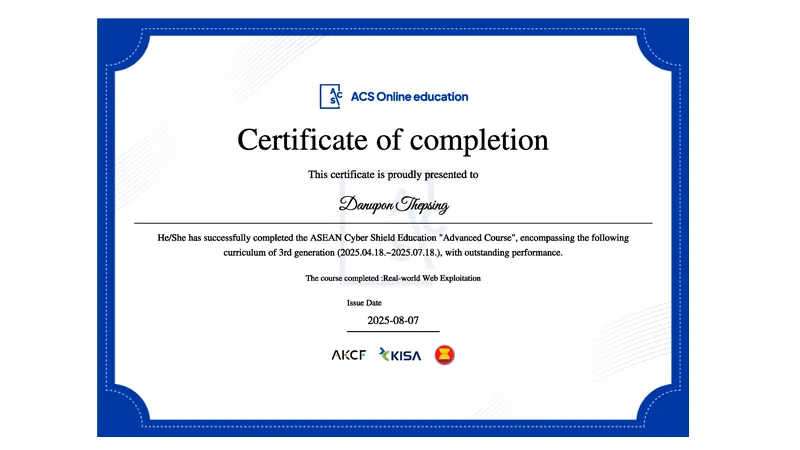
After the initial three months, the next two months brought the real test in what was called the Advanced Level, where students faced actual projects with mentors from various Asian countries providing consultation and guidance. "The main project was CVE Analysis—Common Vulnerability and Exposure. This is a system for cataloging vulnerabilities in software and systems discovered and recorded worldwide. We had to analyze vulnerabilities in various systems and applications, studying how multiple small vulnerabilities could be combined to take over entire systems."
Beyond the difficulty of the work, there were many other challenges, such as presenting the project twice—first as a progress report and second as the final presentation. There was continuous evaluation including class attendance and timely assignment submission, all of which affected eligibility for training in South Korea. "This program required tremendous effort for 5-6 months, so many people dropped out," Not summarized the program's difficulty during this period, which gradually reduced the number of participants until finally, only Not successfully passed the selection to reach South Korea.
Thailand's Sole Representative Flies to Showcase Skills in South Korea
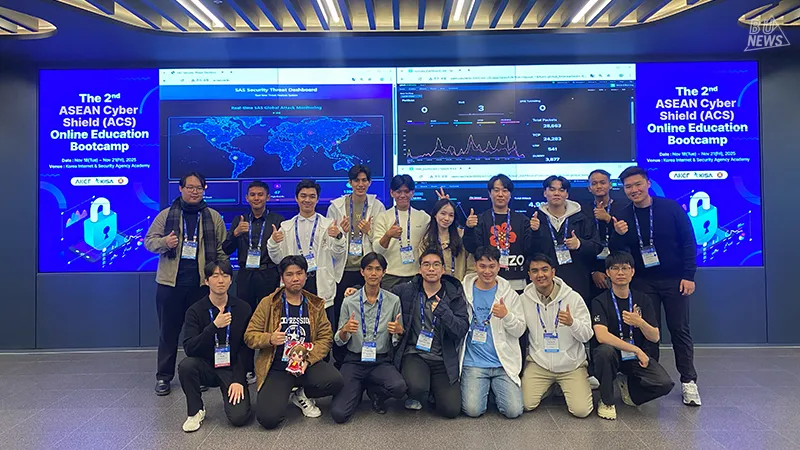
After passing the learning and evaluation process, Not was the only one selected to travel for training in Busan, South Korea. The training in South Korea lasted 5 days and 4 nights, with each day filled with new learning experiences. "The first day was a free day for participants to rest. I met friends from various Asian countries. I met the team from Myanmar, who took me sightseeing around Busan—a great way to build relationships and networks from day one."
Day 2 was intensive training focused on the Web Hacking Workshop, learning advanced techniques for attacking and defending websites. "Everything was taught in English, intensive, and emphasized hands-on practice—not just theory. Participants had to actually do it, test it, and solve real problems."
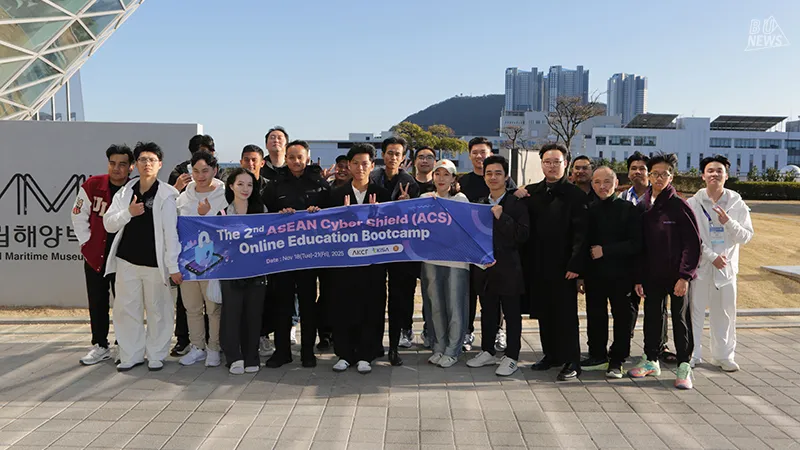
Day 3 was the most challenging of all five days—the Attack and Defense Competition testing all skills learned from day one. "The competition format divided participants into two teams: attack and defense. In the first half of the day, participants were on the attacking side, trying to use various techniques learned to attack the opposing team's system. In the second half, roles switched—becoming the defensive side that had to close vulnerabilities and prevent attacks from the opposition." Getting hands-on experience, thinking quickly, making fast decisions, and solving problems on the spot taught Not ten times more than sitting in a classroom.
Day 4 looked toward the future of cybersecurity with special lectures from senior executives and leading cybersecurity experts from multiple countries. "The most interesting and exciting topic was Quantum Computing, technology that will forever change the world of cybersecurity. Quantum computers have processing speeds far exceeding regular computers and can crack passwords incredibly fast—regardless of password length or complexity. If quantum computers are used for decryption, the time required will be drastically reduced."
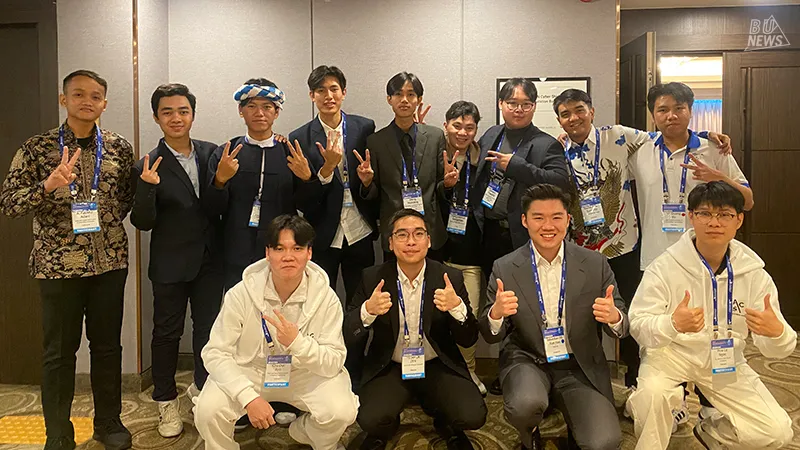
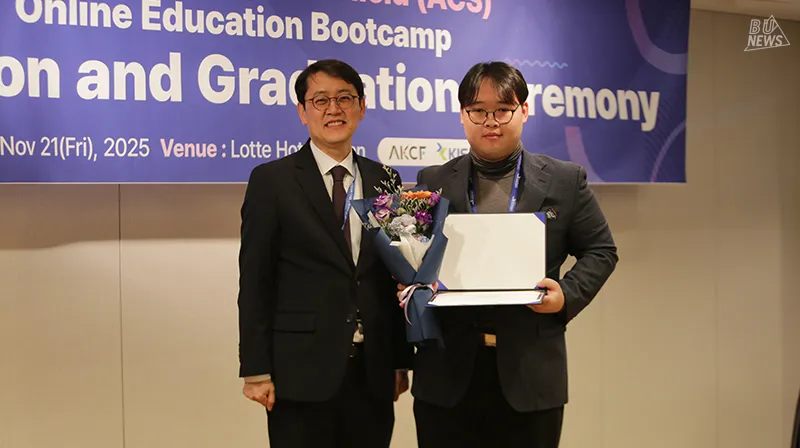
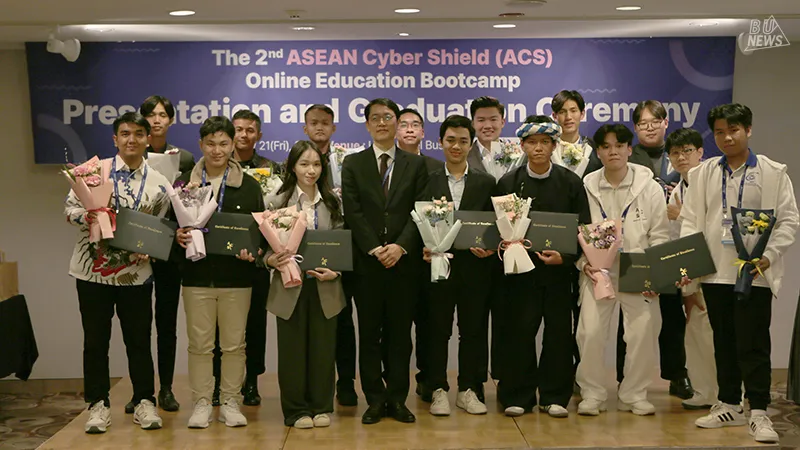
The final day was for presenting work and receiving certificates. All participants had to present reports from the Attack and Defense Competition from Day 3, explaining strategies used, problems encountered, and lessons learned.
Lessons and Takeaways from the Program
Participating in this program provided not just technical knowledge but much more. "First is invaluable experience that cannot be found in a classroom—learning from world-class experts and getting hands-on experience. Second is meeting talented friends from countries throughout the region, exchanging knowledge, experiences, and different perspectives. And finally, seeing how far the outside world has developed, what other countries are doing, making me realize the importance of continuous self-development and never standing still."
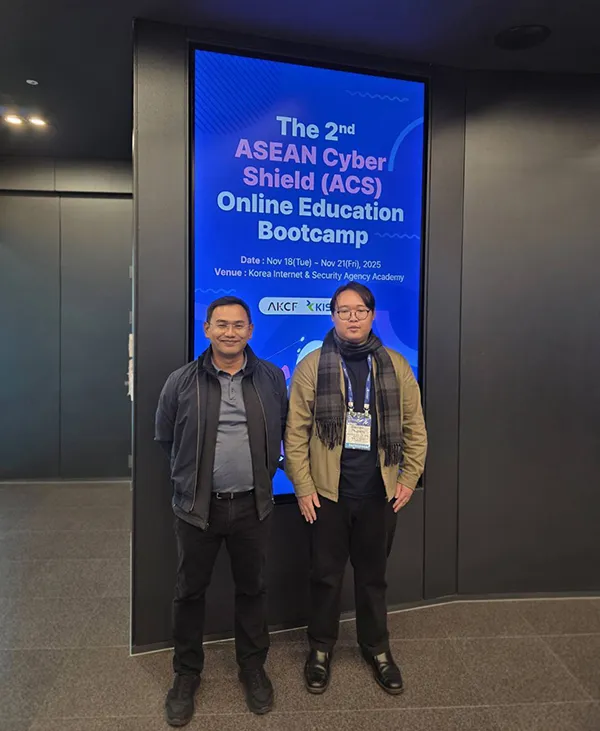
For this trip, Knot would like to express gratitude to the National Cyber Security Committee Office (NCSC), specifically to Major General Pavich Buraphachoทlatis, Acting Director of the National Cyber Security Academic Office, who provided supervision during the participation in activities.

For Those Interested in Studying Cybersecurity
For students interested in studying or working in cybersecurity, Not has advice from real experience: "First, understand that cybersecurity is broad—not just hacking or programming alone, but encompasses many fields. Second, classroom learning alone isn't enough. You must practice continuously, do hands-on work, learn through trial and error, and solve real problems, because cybersecurity skills aren't theory you can memorize and immediately master—they're practical skills requiring practice until proficiency. Third, always seek opportunities for self-development, whether through competitions, personal projects, or training programs. The final and most important point: don't give up. You must learn continuously because technology changes rapidly. New attack methods emerge daily. You must follow news and update yourself constantly. But if you love it and are determined, it's definitely worth it."