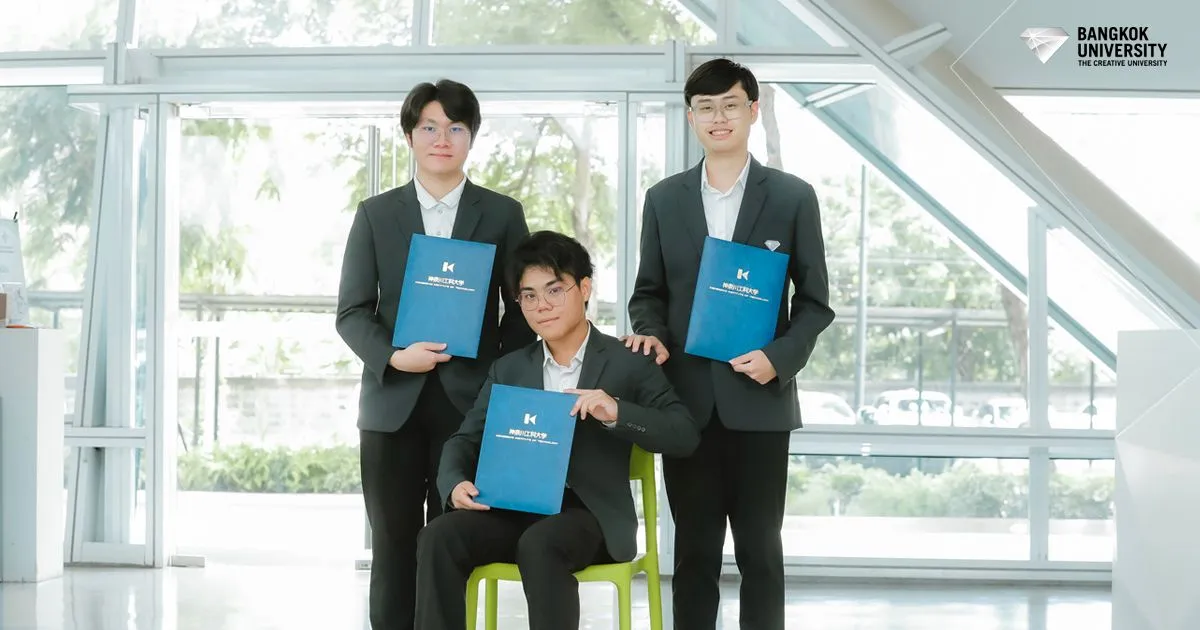
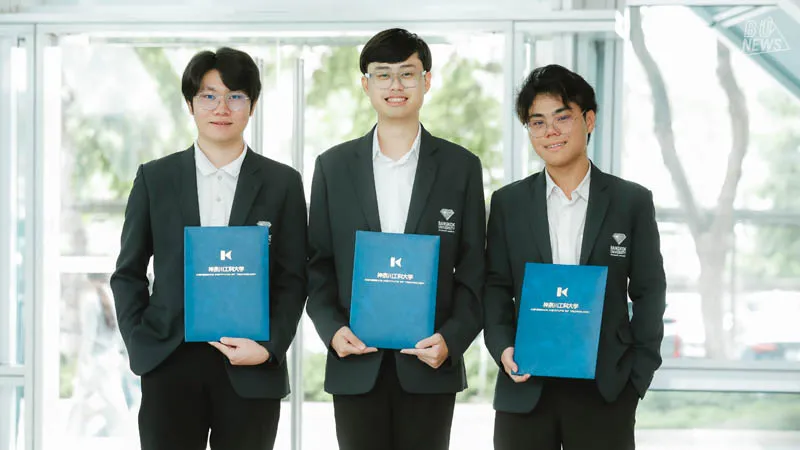
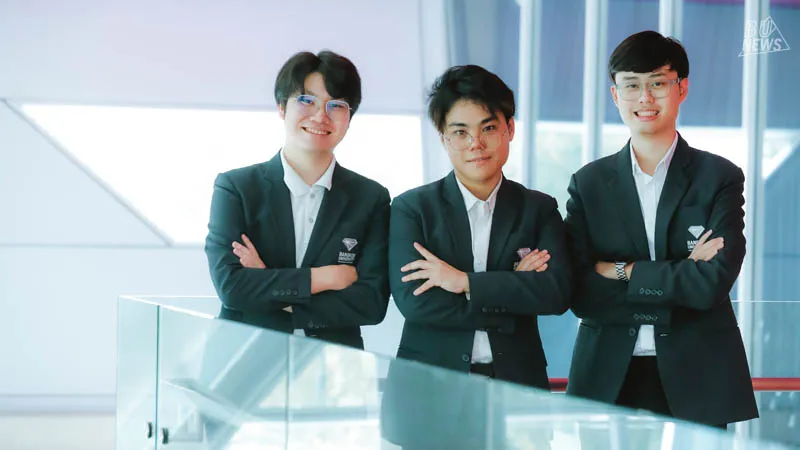
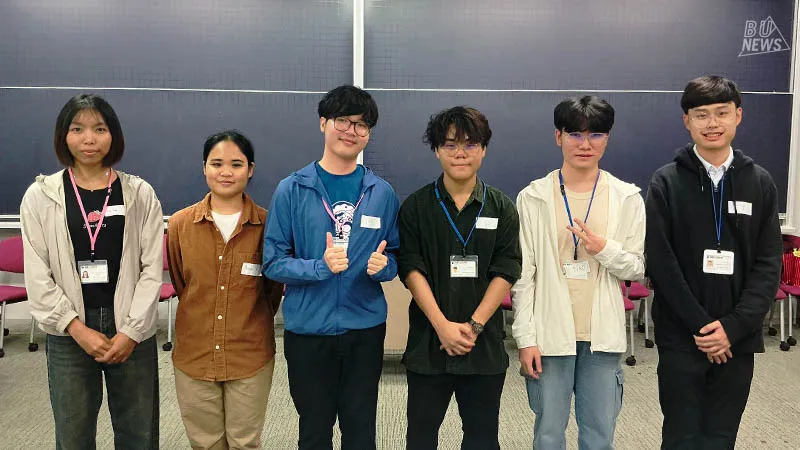
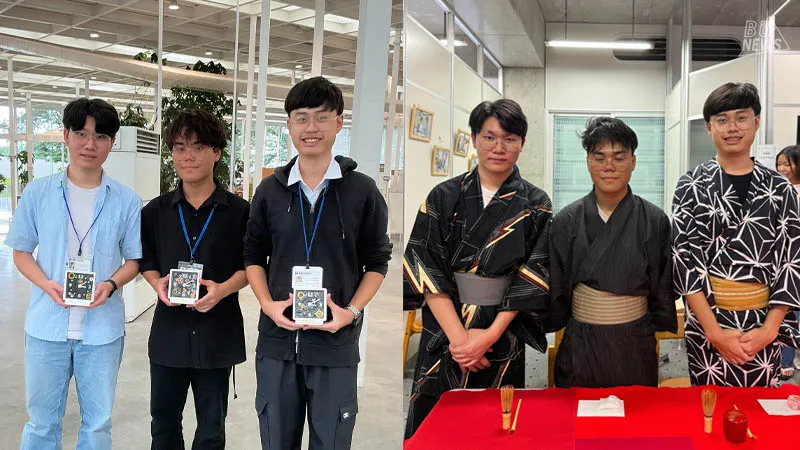
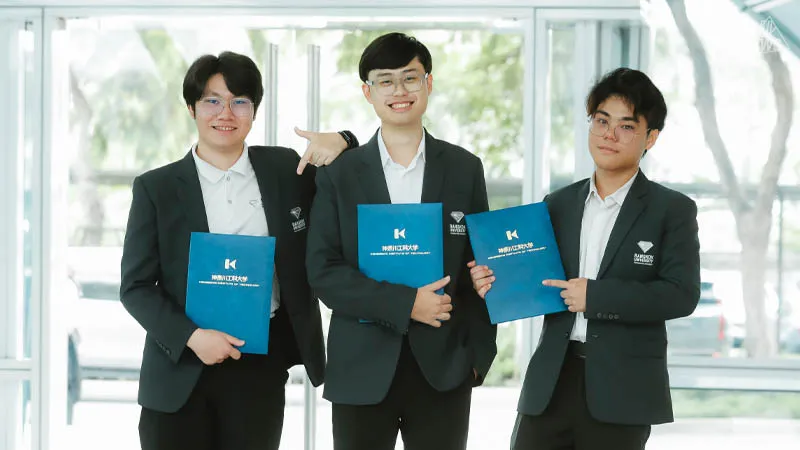
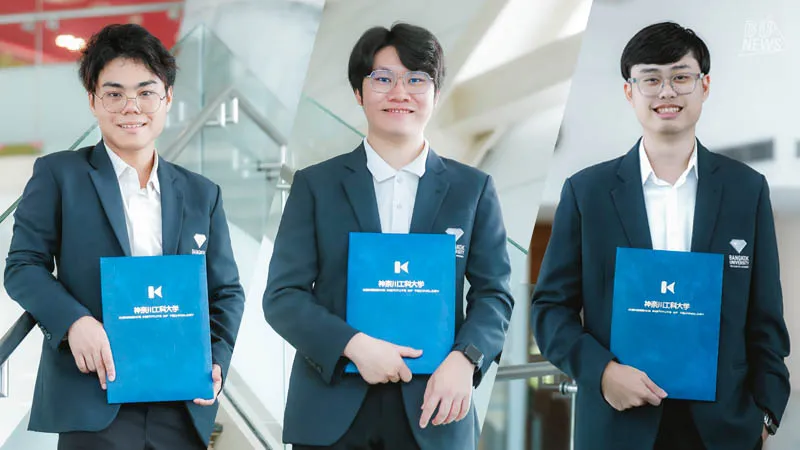
Congratulations to three students from the School of Information Technology and Innovation (BU-ITI) — Mr. Chanachol Polketkit (Q), Computer Science; Mr. Sawasdichai Amornpradubkool (JJ), Information Technology and Mr. Jirawat Damung (Priaw), Game and Interactive Media — who were selected to join the KAIT Technical Internship Program at Kanagawa Institute of Technology, Japan, under a scholarship from the Japan Student Services Organization (JASSO).
The program gives students the opportunity to step out of the classroom and learn through hands-on laboratory work, developing research projects together with faculty and students from Japan.
From Portfolio to a Japanese Research Lab
For all three students, joining the program was not simply a chance to add experience to their portfolios, but an important opportunity to experience real laboratory research in Japan — a country renowned for its technology and innovation. The students explained their interest in the program: this was an excellent opportunity to build up their portfolios, but more importantly, it opened the door to experiencing genuine, state-of-the-art Japanese labs known for advancing technology.
A Rigorous Selection Process, Testing Work, Knowledge, and Real Experience
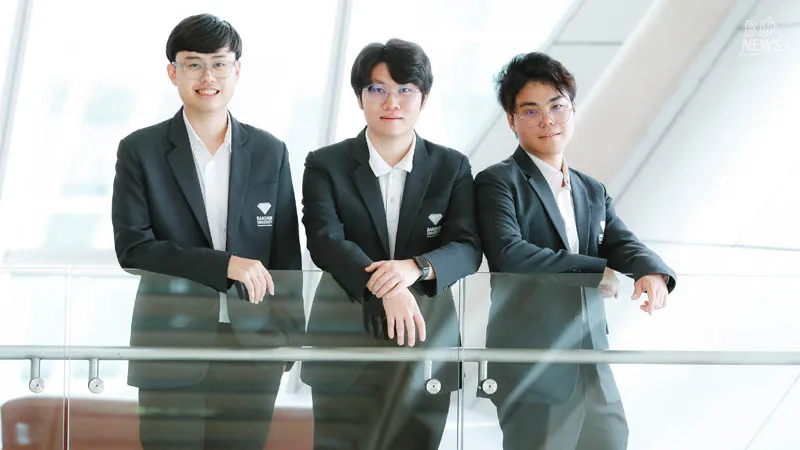
Before being accepted into the program, students had to pass a demanding selection process involving review of their portfolios and academic records, as well as interviews conducted by Japanese faculty, assessing both their knowledge and hands-on experience. Beyond submitted work and grades, the students noted, the interviews covered everything learned throughout their time at university, past experiences, and prior project work — as well as questions about everyday life, such as how to get by living in Japan.
This selection process demonstrated that hands-on work, experience, and readiness to learn are all essential components that help students advance to the international stage.
Learning in Real Labs, Choosing Their Own Research Paths
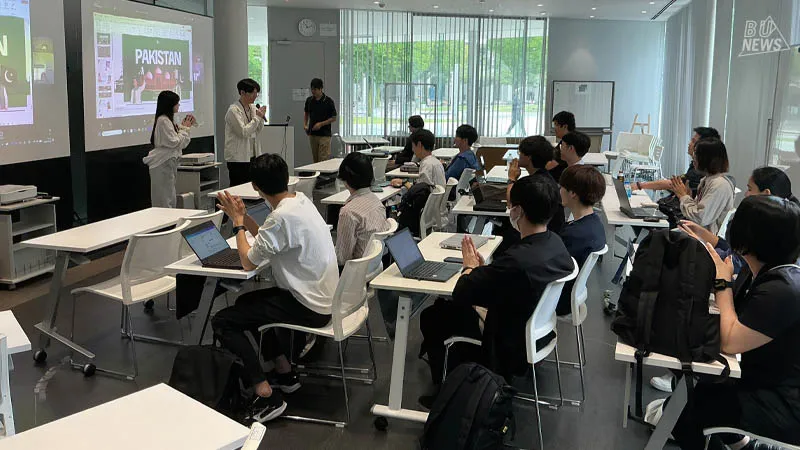
A defining feature of the KAIT Technical Internship Program is that it gives students space to think, experiment, and work hands-on in the laboratory, closely guided by Japanese faculty. Students could choose a lab that matched their interests and strengths before applying their knowledge and skills to develop their own research.
Q: Eye-Controlled Robotics to Assist Paralyzed Patients
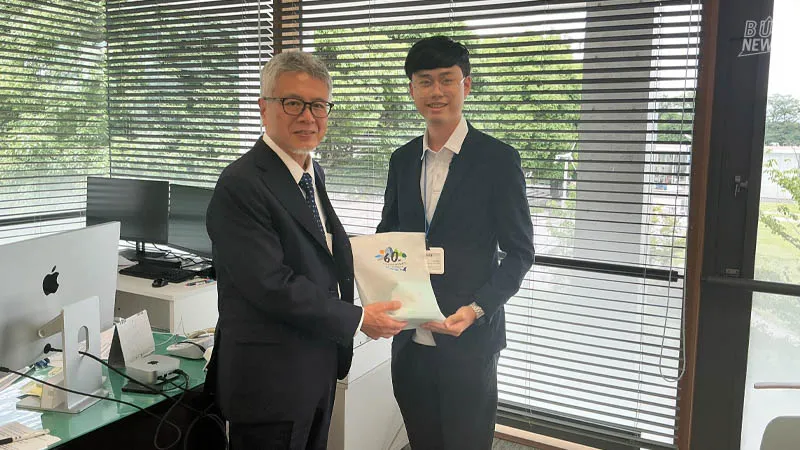
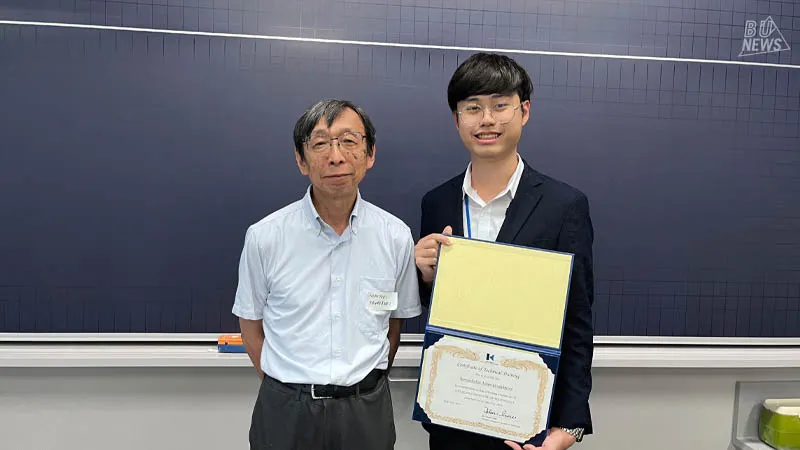
Q joined the Robotics Lab under the guidance of Professor Noriyuki Kawarazaki, developing a robotic system controlled by eye movement to help paralyzed patients. He designed the project so patients could pick up or grasp objects using only their gaze, without needing to move their bodies — with the greatest challenge being achieving precise accuracy for the user.
JJ: Combining AI and Robotics for Systems That Understand Humans Better
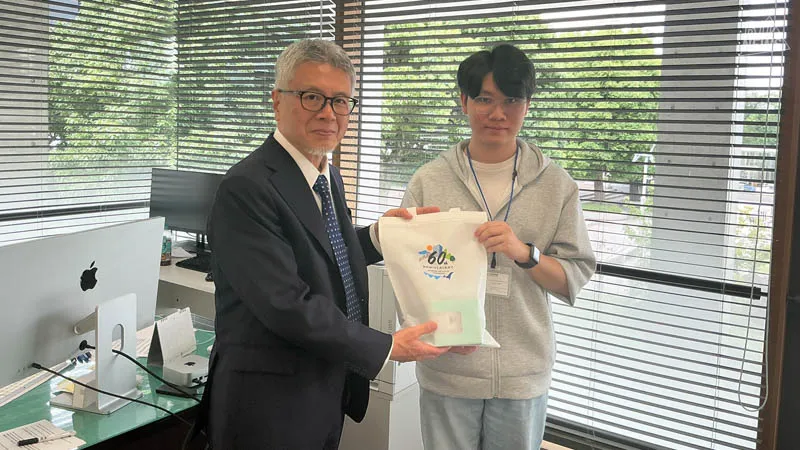
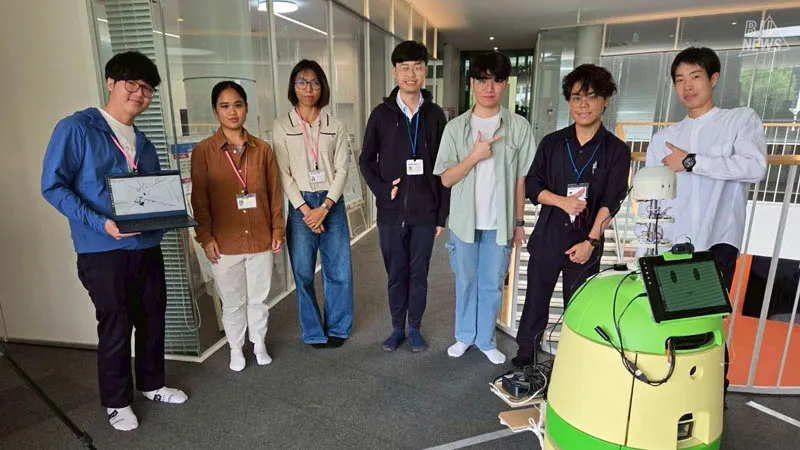
JJ also joined the Robotics Lab, focusing on developing AI to control robots so that commands could be interpreted more precisely and the system could better understand human needs — adaptable for use in patients' wheelchairs, including development of a Thai-language command system. One of the key challenges was learning and applying ROS 2, along with working with depth sensors so the robot could perceive its surroundings and operate as accurately as possible.
Priaw: Diving into Cybersecurity, Developing AI to Detect Website Vulnerabilities
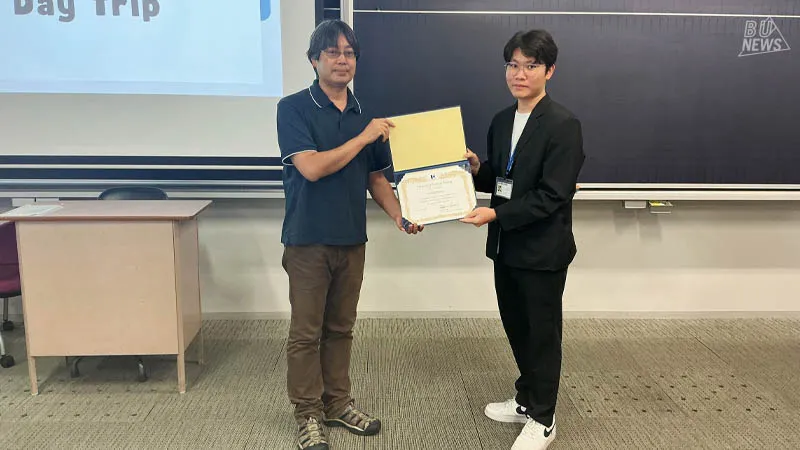
Priaw took a different path, joining the AI Lab to work on cybersecurity under the guidance of Professor Kosuke Takano. His project involved developing an AI system to detect website vulnerabilities so the information gathered could be used to patch them and improve system security — an idea inspired by the observation that people often overlook security when using websites. However, working in a real lab came with challenges, particularly limitations in AI system scale and the amount of data available for experimentation.
More Than Lab Experience — Learning to Live in Japan
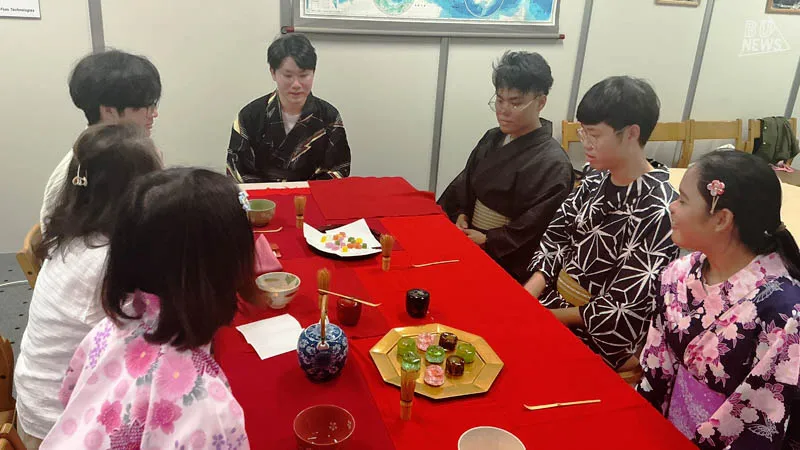
Throughout the program, the three students learned not only about technology and research, but also about daily life, working with others, and communicating in a new environment. Despite initial concerns about the language and accent, they found that once they began listening and conversing with friends and faculty, there were no real problems, and they were able to collaborate very well together.
Behind the Success: Support from Faculty
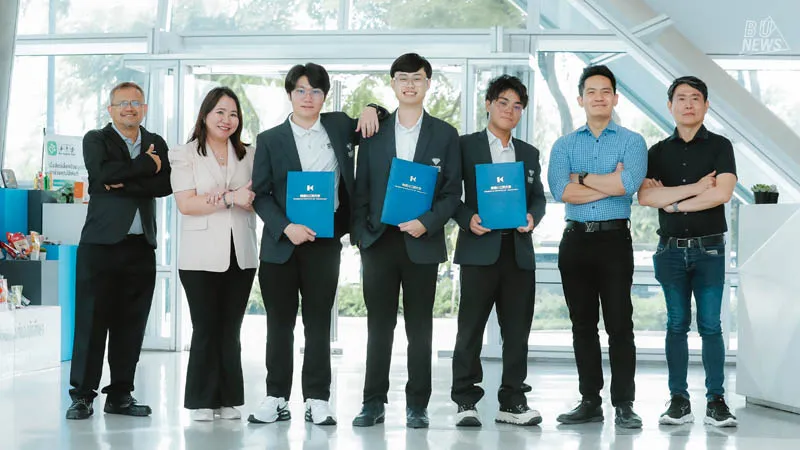
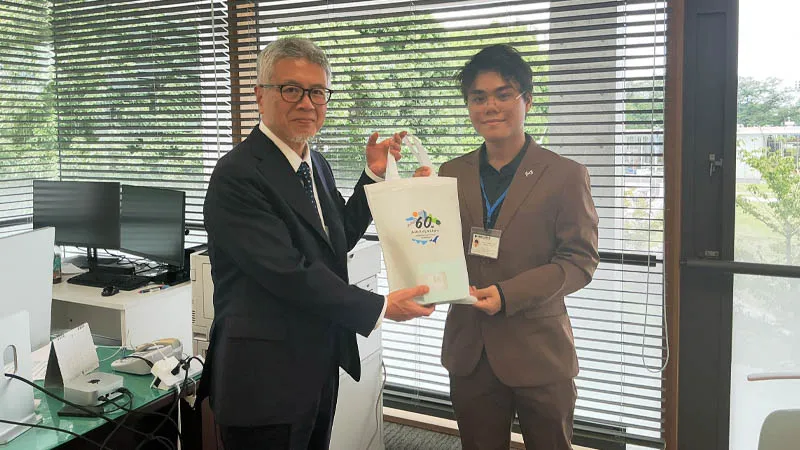
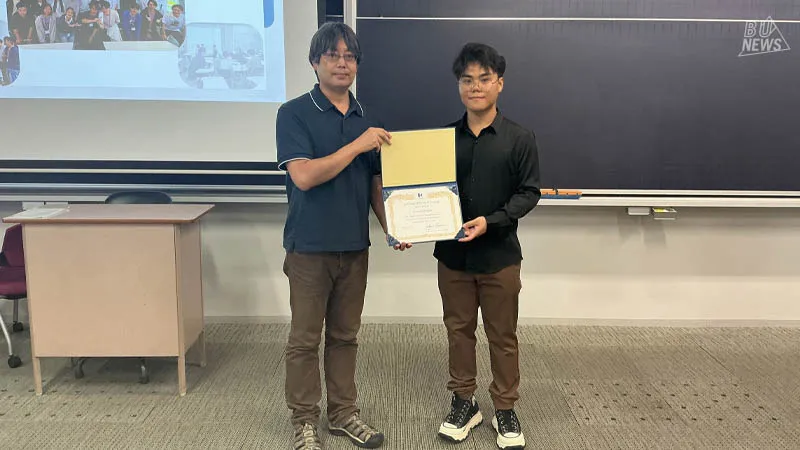
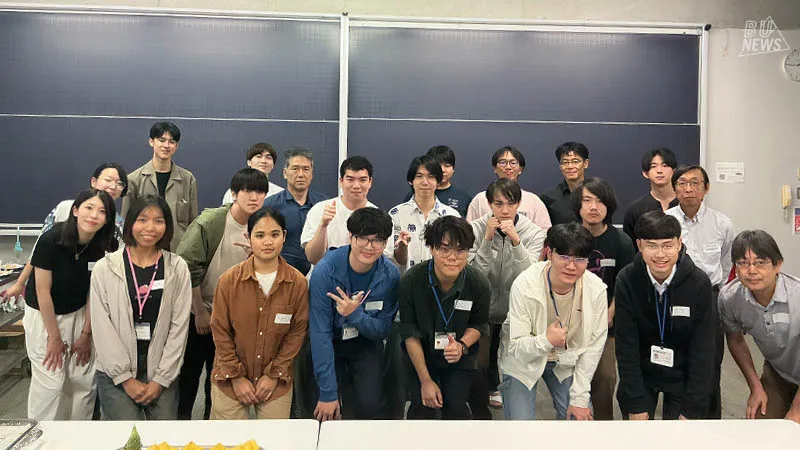
The success of roughly two months of research work was not achieved through the students' efforts alone, but with the support of faculty who provided guidance and helped push the research forward. The three students expressed gratitude to Assoc. Prof.Anon Sukstrienwong, Dr.Sorapak Pukdesree, Asst. Prof.Dr.Nattapong Sanchan, A.Pattamaporn Pimhanam, Professor Kosuke Takano and Professor Noriyuki Kawarazaki, as well as the Office of International Affairs, for their important support throughout the project. The faculty provided the resources essential to the research, enabling the students to carry out experiments through various tools and equipment, and offered guidance and helped refine their research topics.
A Message to Students Aspiring to the International Stage
For students interested in joining future rounds of the KAIT Technical Internship Program, the three students offered this advice: for anyone who wants to do research and gain new experience, interviews for the next cohort will be held soon — don't be afraid, and make sure to prepare a portfolio of work that aligns with the program.
The journey of these three students shows that good educational opportunities begin with the courage to take action — and when classroom knowledge is built upon with real experience on the international stage, what comes back is not just research output, but skills, confidence, new perspectives, and inspiration to create technology for the future.