
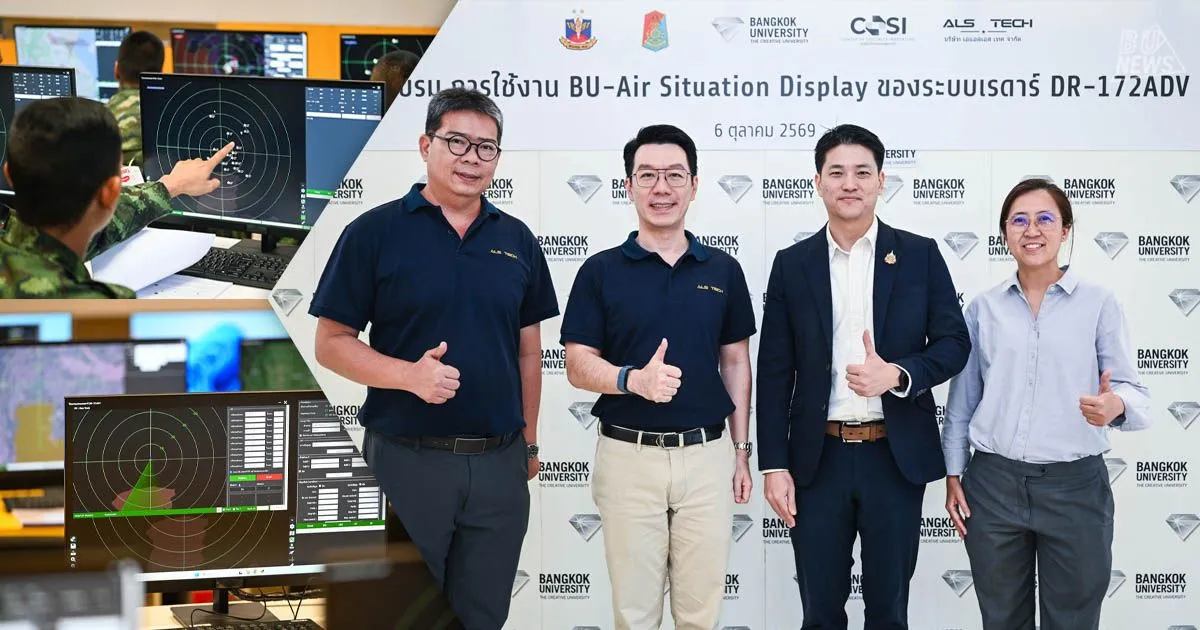
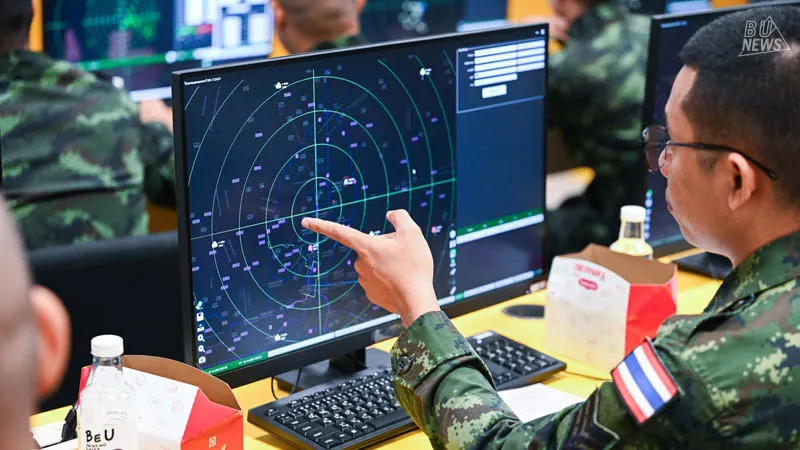
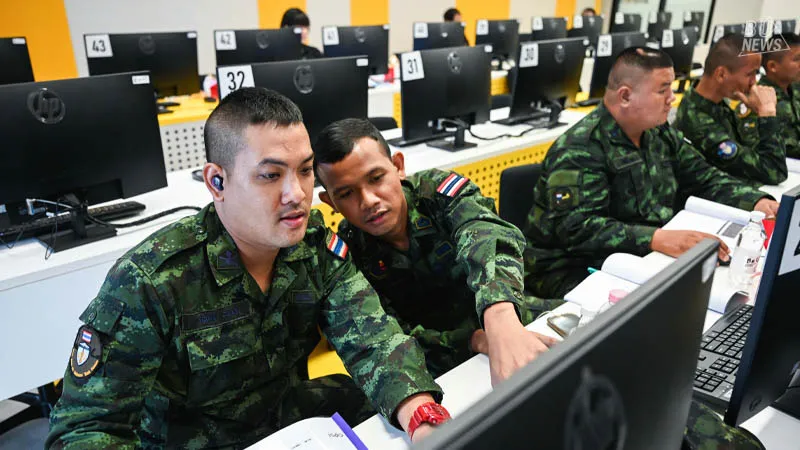
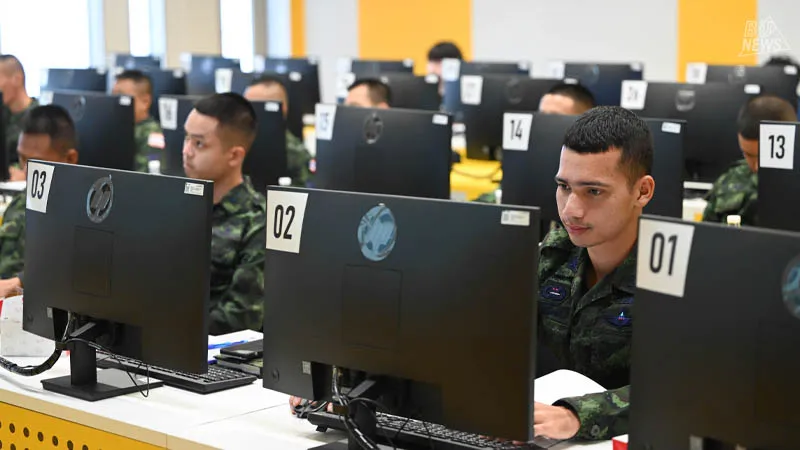
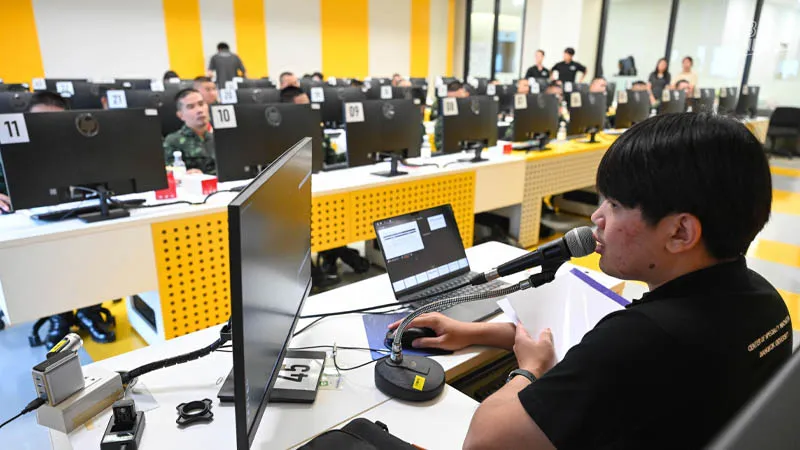
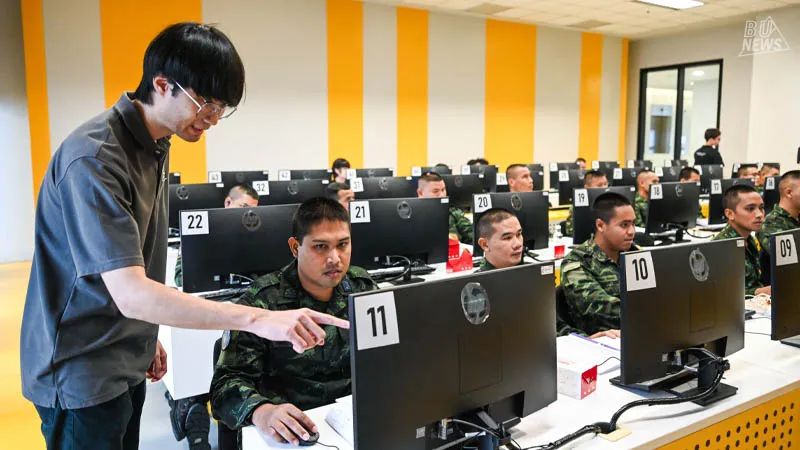
Center of Specialty Innovation (CoSI) at Bangkok University organized training on the upgraded DR-172 ADV radar system at the university. The aim was to transfer knowledge and prepare personnel before the system is deployed in their units.
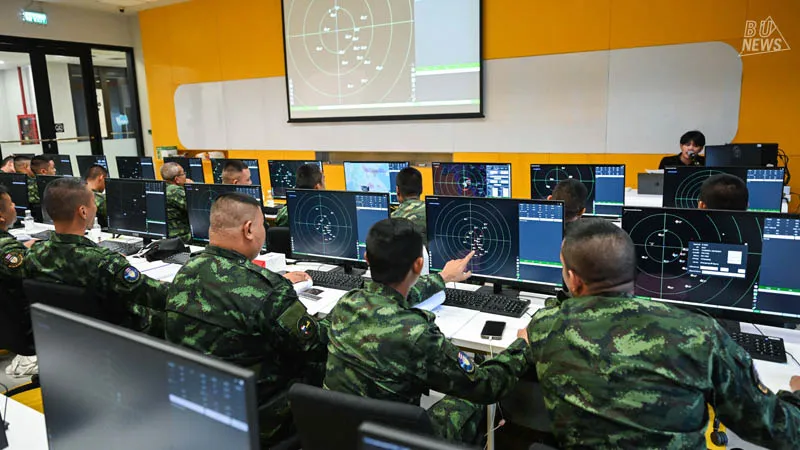
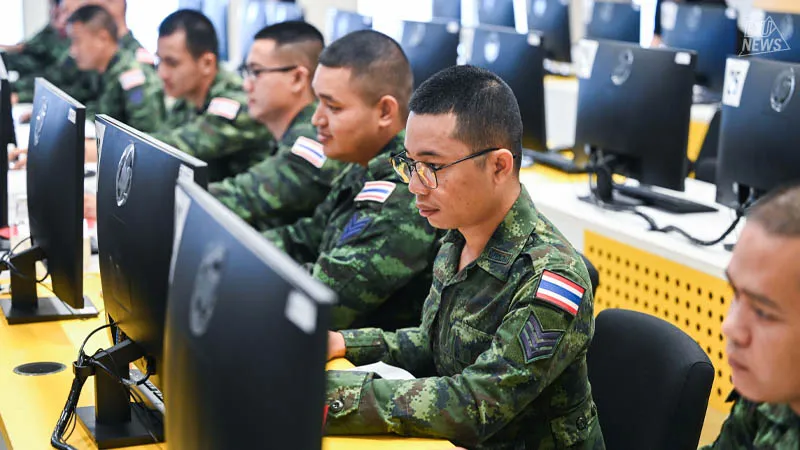
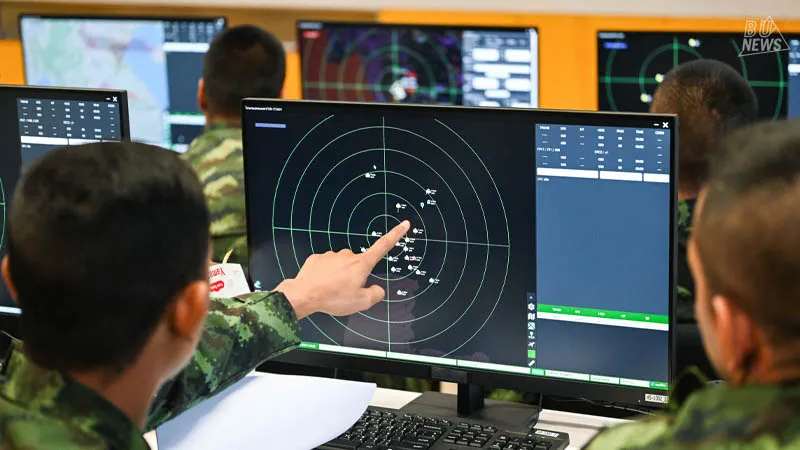
The training combined theory, to build understanding of how the system works, with hands-on practice using a simulation program. Participants tried the new display unit, practiced reading target data (tracks), and used the functions related to operations, so that they would be familiar with the system before actual use.
From Research to Real-World Application
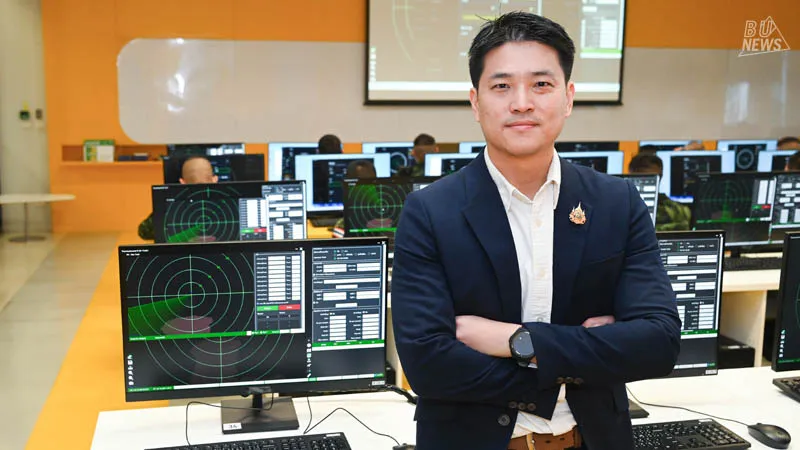
Assoc. Prof.Dr.Natthaphob Nimpitiwan, Vice President for Research and Educational Innovation Development, said the project is part of CoSI’s research and development work. CoSI specializes in software development, and the project grew out of collaboration among the university, the research funding agency, and the Royal Thai Army and ALS Tech Company Limited.
“Over the years, CoSI has continuously developed software and knowledge together with the organizations that use it, with faculty, researchers, and students all taking part. Our key goal is to turn the university’s knowledge into systems that can be put to real use.”
The collaboration also creates opportunities for personnel development and knowledge exchange between academia and user organizations, including support for graduate-level study so that personnel can take their knowledge back to apply and build on within their own units.
Upgrading Existing Systems with Digital Technology
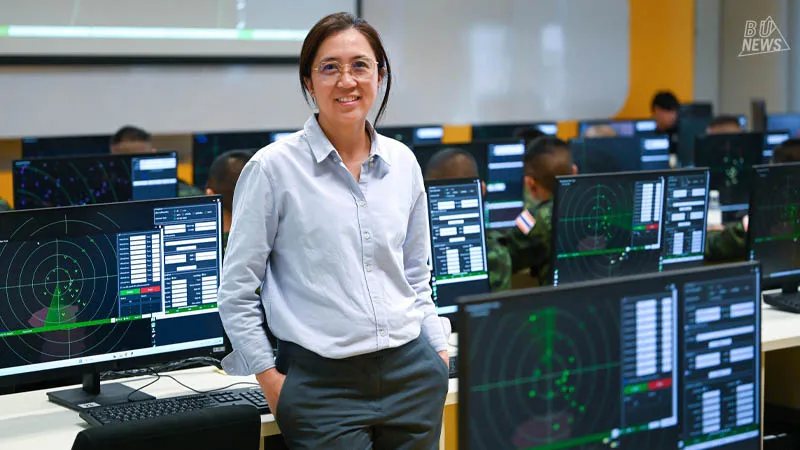
Asst. Prof.Dr.Kingkarn Sookhanaphibarn, a faculty member in Research and Educational Innovation Development, said the project applies software and digital technology to sustain the existing system. The processing system and display unit were modernized, moving from the previous display to a digital display that supports digital maps.
“The key idea of the project is to apply software knowledge to existing systems in order to enhance their usability, reduce technological limitations, and support their continued, effective operation.”
The DR-172 ADV project is a multi-year research collaboration covering study and prototype development, testing, and knowledge transfer to users. It reflects the process of taking university research through to real-world use.

Designed with Real Users in Mind
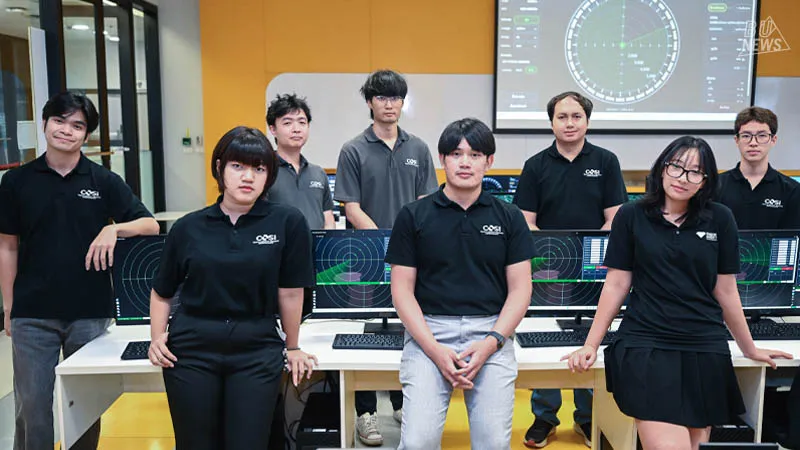
Another important part of the development was designing the software so that operators can read and follow information on screen more easily, while keeping the core workflow they are familiar with and updating the user interface to suit current technology.
A graduate student involved in developing the system said: “Working on this project gave students the chance to learn from a real problem, from studying the existing system and designing and developing the software to receiving user feedback and using it to improve the system to fit real work processes.”
Collaboration for Sustainable Technology Development
This training session marks another step in transferring university research outcomes to real-world users. It reflects Bangkok University’s role in applying its knowledge in research, software, and innovation for the benefit of the country, through collaboration among the university, the Royal Thai Army, ALS Tech Company Limited, and the research funding agencies.
In the future, Bangkok University is ready to build on this knowledge and collaboration to support technology development, the sustainment of existing systems, and innovations that can be applied in both government and civilian missions.